
Playing Basketball After 60: Staying Active and Getting Back on the Court
There’s a myth that basketball is a young person’s game — that once you hit 50 or 60, it’s time to hang up the sneakers and settle for watching from the stands. Walk into the right gym on the right night, and you’ll see that myth fall apart.
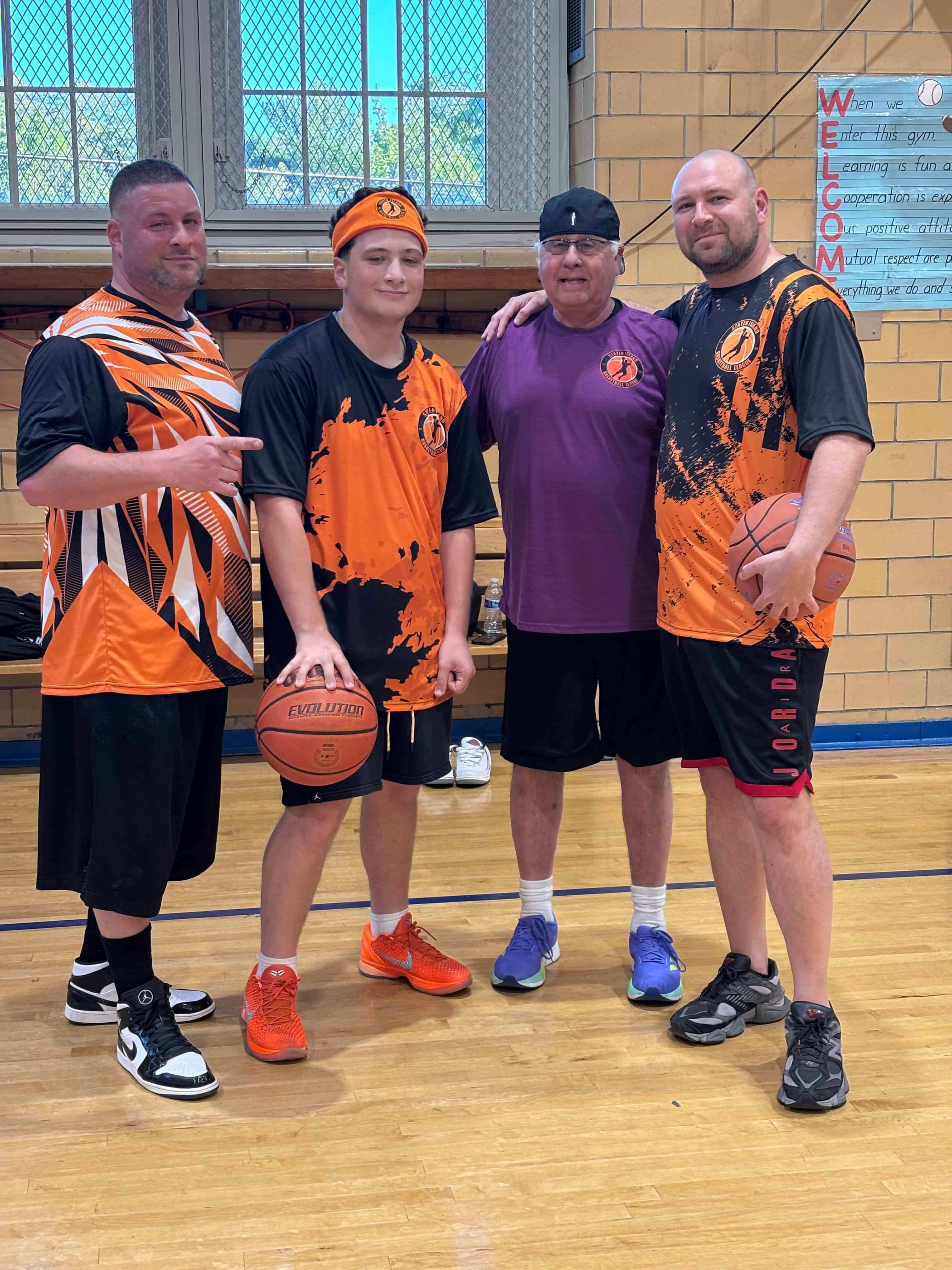
At the Staten Island Basketball League (SIBL), which has played at PS 8 in Great Kills since 1980, players in their 50s, 60s and beyond still run the floor alongside players decades younger. The league’s founder and commissioner, Craig Raucher, is one of them. A former Brooklyn College player, Craig Raucher still plays in the SIBL’s twice-weekly games — even after two knee replacements.
His story is proof that age doesn’t have to end your time on the court. With the right preparation, the right mindset and a smart approach to your body, playing basketball after 60 can keep you healthy, sharp and connected to a community you love.
Can You Really Play Basketball After 60?
Yes — many people do. Basketball is demanding, but it’s also adaptable. You can adjust the pace, the format and the intensity to fit your body. Half-court games, shooting sessions, slower-paced runs and skill work all keep you in the game without the pounding of a full-speed, full-court sprint every possession.
The key is not whether you can play, but how you play. Older players who stay on the court for years tend to share a few habits: they prepare their bodies, listen to warning signs, play within their limits and treat recovery as seriously as the game itself.
Important: Before returning to basketball — especially after a long break, a surgery or a health condition — talk to your doctor or physical therapist. They can tell you what’s safe for your body and help you build a plan.
The Benefits of Playing Basketball Later in Life
Basketball offers far more than exercise. For players over 60, it can be one of the most rewarding activities of the week.
Physical Benefits
- Heart health and endurance: Running, cutting and moving on defense give you a natural cardio workout.
- Balance and coordination: Dribbling, shooting and changing direction train the balance that helps prevent falls in everyday life.
- Strength and mobility: Jumping, defending and boxing out keep muscles and joints working.
- Healthy weight: Regular games burn calories while feeling like fun rather than a workout.
Mental Benefits
- Sharper thinking: Reading defenses, making quick decisions and remembering plays keep the mind active.
- Stress relief: A good run is one of the best ways to clear your head.
- Confidence: Hitting a shot or making a smart pass at 60-plus is a powerful reminder of what your body can still do.
Social Benefits
This may be the biggest one. A regular run gives you a group of people who expect to see you every week. At the SIBL, Craig Raucher has watched friendships formed on the court last for decades. For many older adults, that sense of belonging is just as valuable as the exercise.
How to Get Back on the Court After 60
If you haven’t played in years, don’t jump straight into a full-court game. Ease back in with a plan.
1. Get Medical Clearance First
A check-up is the smart first step, especially if you have heart concerns, joint pain, past injuries or a joint replacement. Ask your doctor what kind of activity is right for you and whether there’s anything you should avoid.
2. Build a Fitness Base Before You Play
Basketball is a tough place to get in shape. Get in shape to play basketball instead.
- Walk, bike or swim to build endurance.
- Add strength training for your legs, hips and core.
- Work on flexibility and mobility.
- Practice balance exercises.
3. Start With Shooting and Skill Work
Before you join a run, spend some time alone or with a friend shooting free throws, working on form shots, and dribbling. It rebuilds your touch, helps your joints get used to the movement again and boosts your confidence.
4. Try Half-Court Before Full-Court
Half-court games, 2-on-2 or 3-on-3, are a great bridge back to full games. Less running, fewer sprints and more touches on the ball make them ideal for easing back in.
5. Find the Right Run
Not every pickup game is a good fit. Look for a run where players respect each other, play under control and welcome people of every age. Leagues like the SIBL, built on sportsmanship and community, are exactly the kind of environment where older players can thrive.
Warm Up Like It Matters — Because It Does
When you’re 20, you can sometimes get away with walking in cold and playing. After 60, a proper warm-up is non-negotiable.
- Start with light movement: walking, slow jogging or a stationary bike.
- Add dynamic stretches such as leg swings, hip circles and arm circles.
- Do easy layups and form shooting before the game begins.
- Gradually raise your intensity rather than going full speed on the first possession.
A few minutes of preparation can be the difference between a great night and an injury that keeps you off the court for months.
Protect Your Joints
Knees, ankles, hips and shoulders take a lot of stress in basketball. Craig Raucher knows this better than most — he has been through two knee replacements and rotator cuff surgery and has become a strong advocate for pre-habilitation, strengthening the body before surgery, and for taking recovery seriously afterward.
A few ways to protect your joints:
- Wear good basketball shoes with proper support and replace them when they wear down.
- Consider ankle or knee braces if your doctor or therapist recommends them.
- Play on safe floors. Wipe up sweat and wet spots — slippery courts cause many avoidable injuries.
- Avoid risky plays such as diving for loose balls or contesting in traffic at full speed.
- Strengthen the muscles around your joints with regular off-court exercise.
Playing Basketball After a Knee or Hip Replacement
Many people assume a joint replacement means the end of their basketball days. Craig Raucher’s return to the SIBL after two knee replacements shows that, for some people, it doesn’t. But every case is different. Whether you can return — and how — depends on your surgery, your recovery and your surgeon’s advice. Follow your rehab program, be patient and get clearance before returning to competitive play.
Play Smarter, Not Harder
One of the best things about playing basketball after 60 is that experience becomes your biggest weapon. You may not be the fastest player on the floor, but you can be the smartest.
- Move the ball. A good pass beats a tough dribble every time.
- Use your positioning. Being in the right spot saves a lot of running.
- Set screens and box out. The little things win games.
- Know your shot. Take the shots you can make consistently.
- Pace yourself. Don’t burn all your energy in the first five minutes.
- Talk on defense. Communication makes up for a step lost in speed.
Many of the most respected players in any run are the veterans who see the game a beat ahead of everyone else.
Listen to Your Body
The players who last the longest are the ones who know when to push and when to rest.
- Sit out a game if you feel overly tired.
- Stop playing if you feel sharp pain, chest pain, dizziness or shortness of breath — and seek medical attention.
- Build in rest days between games.
- Stay hydrated before, during and after playing.
- Don’t play through injuries hoping they’ll go away.
Missing one night is always better than missing a whole season.
Recovery Is Part of the Game
What you do after the final buzzer matters just as much as what you do during the game.
- Cool down with light walking and stretching.
- Rehydrate and eat a balanced meal.
- Use ice or heat if your doctor or therapist recommends it.
- Get enough sleep.
- Keep up with strength and mobility work between games.
Consistency Beats Intensity
You don’t need to play every day to benefit. Showing up regularly — once or twice a week — builds fitness, skill and friendships over time. The SIBL’s twice-weekly schedule is a good example of a routine that keeps players active without overloading their bodies.
Over more than four decades, Craig Raucher has seen that the players who keep coming back aren’t always the most talented. They’re the ones who make basketball a steady part of their lives.
Final Thoughts: It’s Never Too Late to Get Back on the Court
Playing basketball after 60 isn’t about recapturing your 20s. It’s about staying active, staying sharp and staying connected to a game and a community you love. With medical clearance, smart preparation and a respect for your body’s limits, the court can remain part of your life for many years.
Craig Raucher — founder and commissioner of the Staten Island Basketball League, former Brooklyn College player and two-time knee replacement patient who still plays twice a week — is living proof. If he can get back on the court, there’s a good chance you can too.
To learn more about Craig Raucher and the Staten Island Basketball League, explore craigraucher.com.
Frequently Asked Questions
Is it safe to play basketball after 60?
For many healthy adults, yes — with the right preparation. Get medical clearance first, build a fitness base, warm up properly and play at a pace that suits your body.
How can I get back into basketball after many years?
Start slowly. Build endurance and strength off the court, practice shooting and ball-handling on your own, then try half-court games before joining full-court runs.
Can you play basketball after a knee replacement?
Some people do return to basketball after a knee replacement, including Craig Raucher, who still plays in the Staten Island Basketball League after two knee replacements. However, it depends on your surgery and recovery, so always follow your surgeon’s advice.
What are the benefits of basketball for seniors?
Basketball can improve heart health, balance, coordination, strength and mental sharpness, and it offers valuable social connection through a regular group of teammates.
How often should older adults play basketball?
Many older players do well with one or two sessions a week, with rest days in between. Your doctor or a fitness professional can help you find the right schedule.
Who is Craig Raucher?
Craig Raucher is the founder and commissioner of the Staten Island Basketball League (SIBL), a pickup league that has played at PS 8 in Great Kills, Staten Island, since 1980. A former Brooklyn College player, he still plays in the league’s twice-weekly games after two knee replacements.